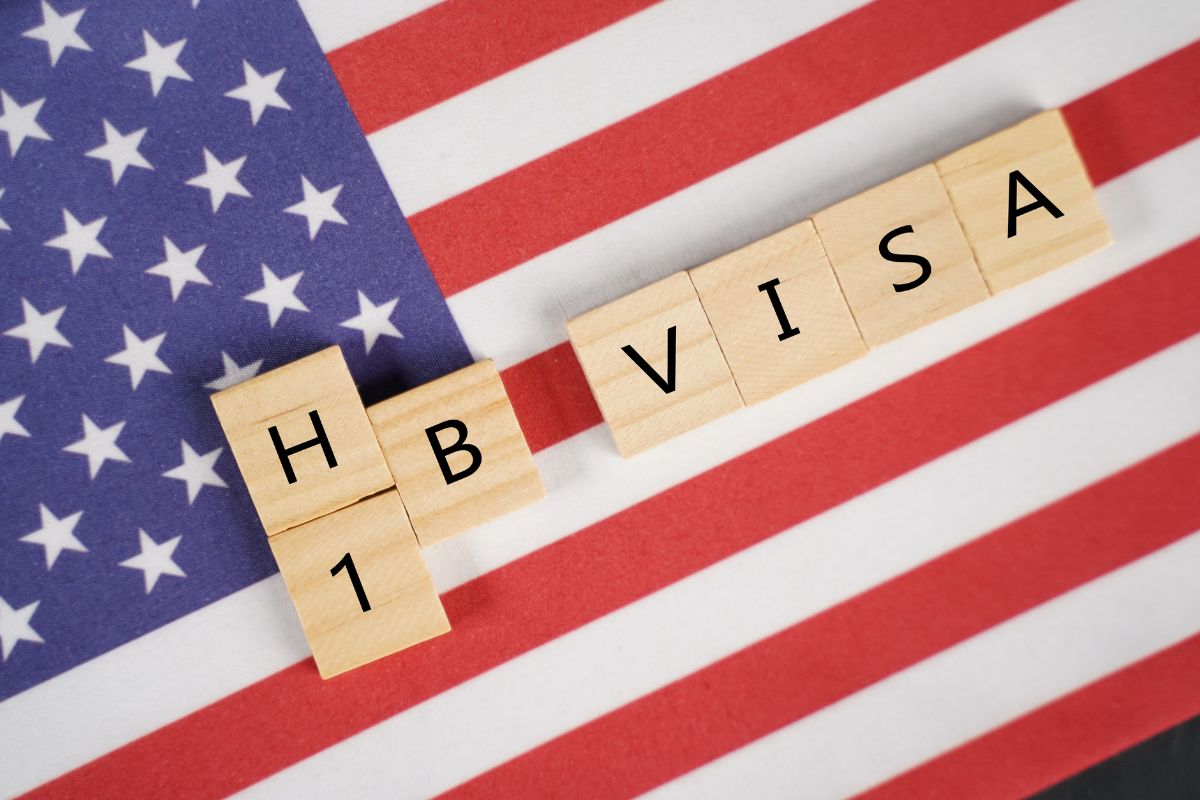
The landscape of U.S. immigration for skilled foreign workers might be on the cusp of a significant change. The U.S. government is currently reviewing a proposal that could lead to a substantial increase in the minimum salary requirements for both the H-1B and PERM (Program Electronic Review Management) visa programs. This move, if implemented, would have profound implications for foreign professionals aspiring to work in the United States and the American companies that rely on their expertise.
The H-1B visa is a non-immigrant visa that allows U.S. employers to temporarily employ foreign workers in specialty occupations. Similarly, the PERM program is a crucial step for many foreign workers seeking permanent residency (Green Card) through employer sponsorship. The proposed adjustments aim to ensure that foreign workers are paid competitive wages, thereby protecting both U.S. workers from unfair competition and foreign workers from potential exploitation. This initiative seeks to align the salaries of visa holders more closely with market rates, potentially impacting a wide range of industries that heavily utilize these visa categories, particularly in technology and healthcare.
For individuals planning their career moves or looking to explore opportunities in the U.S., staying informed about these potential changes is paramount. This could mean a higher barrier to entry for some, but also a guarantee of fairer compensation for those who qualify. As you consider your future and perhaps even your “Dreamvacations.in” travel plans to the U.S., understanding these evolving regulations will be key. Companies sponsoring foreign talent will also need to reassess their compensation structures and recruitment strategies to comply with any new mandates, potentially leading to increased operational costs for hiring international talent.
While the specifics of the proposal are still under review, the discussion alone signals a shift towards stricter wage requirements. Stakeholders, including businesses, immigration attorneys, and foreign workers, are closely watching the developments. This potential increase underscores the U.S. government’s ongoing effort to refine its immigration policies, balancing the need for skilled talent with the goal of maintaining fair labor practices. It’s a reminder that proactive planning and preparation are vital in navigating the complexities of international career pathways and ensuring compliance with evolving immigration frameworks.
Leave a Reply