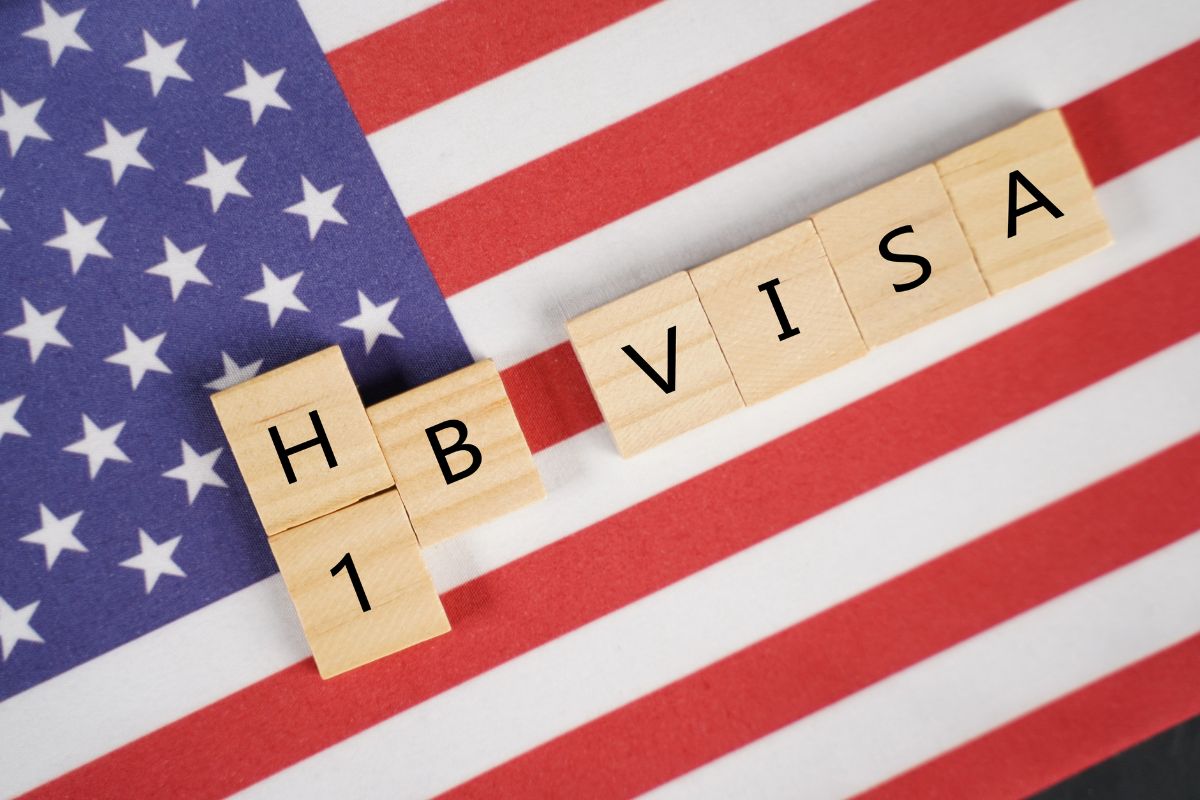
**Breaking News: Proposed H-1B Wage Hike May Impact Thousands of Foreign Professionals Planning to Work in the US**
The US Department of Labor (DOL) is set to undergo a major shake-up in its prevailing wage system, which determines the minimum salary foreign workers must be offered under key visa programs. The proposed reforms, currently in confidential review, could significantly boost the minimum salary requirements for thousands of international professionals planning to work in the country.
**What’s Next for H-1B Workers?**
At the heart of the proposal lies a radical overhaul of the “prevailing wage” system. This system dictates the base salary employers must pay foreign workers, taking into account job role, experience level, and location. The current four-level wage structure could be revised to make it more expensive for employers to sponsor foreign workers, with the potential for significant hikes at each level.
**How Will Higher Salaries Affect H-1B Visa Holders?**
The move could lead to a reduction in entry-level job opportunities for lower-paid international professionals, as companies may need to pay higher salaries to attract top talent. This shift could have far-reaching implications for the US job market, as thousands of foreign professionals rely on these visa programs to secure work in the country.
**A Repeated Attempt: The History of H-1B Wage Hikes**
However, this isn’t the first time such a change has been considered. In 2021, the Trump administration introduced a rule aimed at significantly raising minimum wages for foreign workers, which ultimately faced legal challenges and was withdrawn. The Biden administration had also planned to revise the wage structure but chose to delay and eventually remove the proposal from its regulatory agenda.
**Which Visa Programs Are at Risk?**
If approved, the new rule could impact several popular work visa routes, including:
1. **H-1B Visa**: A highly sought-after visa allowing U.S. employers to hire foreign professionals in speciality occupations, such as IT, engineering, healthcare, finance, and research.
2. **H-1B1 Visa**: A specialized version of the H-1B visa available to citizens of Chile and Singapore, allowing professionals to work in speciality occupations requiring theoretical and practical knowledge.
3. **E-3 Visa**: A visa designed specifically for Australian citizens seeking employment in the US in speciality occupations requiring professional skills, academic qualifications, or specialized industry knowledge.
4. **PERM Labor Certification**: A crucial step for employer-sponsored green cards, requiring U.S. employers to prove that no qualified or willing U.S. worker is available for the position offered.
Stay ahead of the curve with the latest news and updates on the proposed H-1B wage hike. Get informed now and be prepared for the potential changes that could shape the future of international employment in the US.
Leave a Reply