
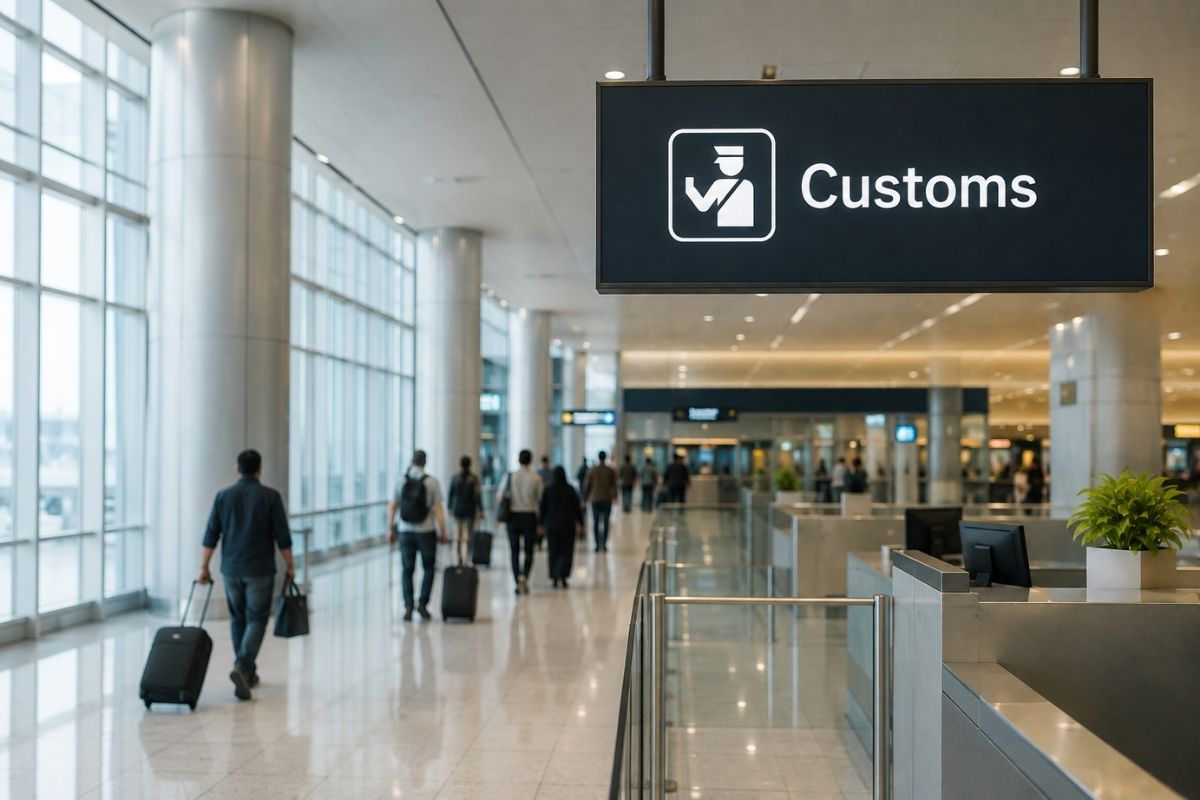
Traveling to the UAE? International visitors can bring many personal items duty-free, but some goods are restricted or even prohibited. Understanding these rules is crucial to avoid issues at the border.
The UAE’s official customs guidance, set by the Federal Authority for Identity, Citizenship, Customs and Port Security (ICP), details what passengers can carry. For Indian travelers arriving in major cities like Dubai, Abu Dhabi, or Sharjah, these regulations are especially important when packing electronics, medicines, jewelry, or sports equipment.
Duty-Free Items You Can Bring to the UAE
Passengers are generally allowed to bring the following items for personal use without incurring customs duties or taxes:
- Telescopes
- Movie projectors and accessories
- Radios, CD players and CDs
- Video and digital cameras, including personal-use tapes
- Portable musical instruments
- Mobile phones
- One television set and one receiver
- Portable computers and printers
- Calculators
- Baby strollers
- Personal sports equipment
- Wheelchairs and vehicles designed for people with special needs
- Personal clothing, toiletries and luggage
- Personal jewellery
- Medicines for personal use, subject to UAE regulations
The most important rule is that these items must be for personal use. Travelers carrying unusually large quantities, multiple identical electronic items, or products that seem intended for resale may face extra customs checks or duties.
Important: Carrying Medicines into the UAE
Medicines require extra caution when traveling to the UAE. A drug commonly available in India might be subject to strict controls or even be prohibited in the UAE, especially for prescription medicines or controlled substances.
Always carry medicines in their original packaging, along with supporting prescriptions or relevant medical documentation. For any controlled or restricted medicines, verify UAE requirements well before your flight. This proactive step is much safer than attempting to explain your medication to customs officials upon arrival.
Prohibited and Restricted Items for UAE Entry
While many items are duty-free, this does not mean everything can be brought into the UAE. Prohibited and restricted goods will be confiscated and can lead to fines or legal penalties.
Travelers must be especially careful with:
- Narcotic drugs and other prohibited substances
- Counterfeit currency
- Pornographic or obscene materials
- Gambling-related equipment and materials
- Publications or media that violate UAE laws
- Goods that infringe intellectual property rights
- Certain weapons, ammunition and explosives
- Other items restricted under UAE customs, security or public-health regulations
Certain goods might also require prior approval from specific UAE authorities instead of being completely prohibited. For Indian travelers, it’s vital to understand this distinction. While common personal electronics and clothing are generally fine, medicines, large quantities of goods, specialized equipment, or any restricted items demand a thorough check before you depart.
Comparing UAE and Indian Customs Rules
The UAE’s customs approach will feel generally familiar to Indian travelers. However, a key difference is that UAE customs regulations apply strictly upon arrival, regardless of whether an item was legally purchased or commonly used in India.
A growing trend across Gulf airports shows customs authorities becoming more stringent about personal-use allowances and increasing scrutiny on medicines, restricted goods, and commercial quantities.
For passengers flying from Indian hubs like Mumbai, Delhi, Bengaluru, or Hyderabad, the safest strategy is straightforward: pack only what you genuinely need, ensure all medicines are properly documented, and always check the specific rules for anything beyond standard personal belongings.
Key Takeaway for Travelers
These customs allowances are generally practical for Indian travelers. However, medicines and restricted items absolutely require advance checks. A small amount of preparation can significantly help in preventing delays, confiscation, or potential fines.
Leave a Reply