
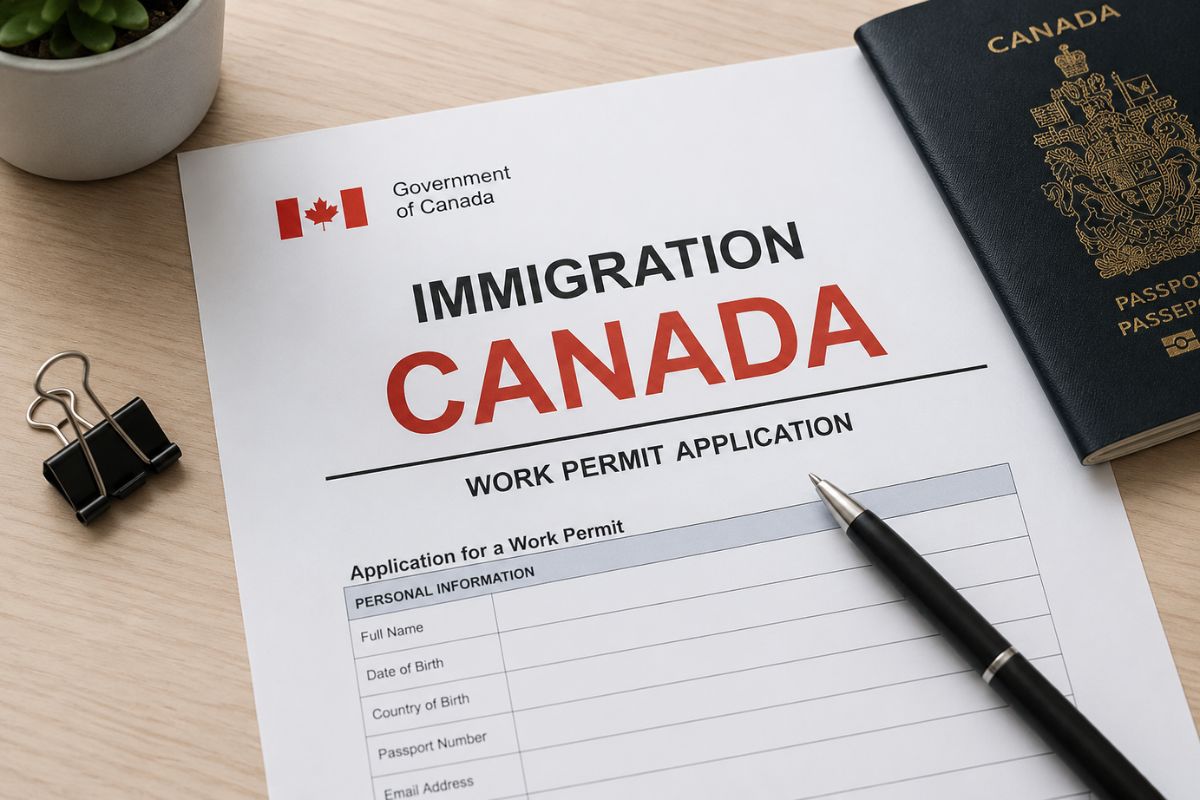
Canada has significantly tightened the eligibility requirements for employer-specific work permits under the C20 Reciprocal Employment category. This change makes it more challenging for multinational companies to transfer new hires directly into Canada without prior overseas employment.
New guidance from Immigration, Refugees and Citizenship Canada (IRCC) now mandates that foreign nationals must already have an established employer-employee relationship with the same organization outside Canada. This is a prerequisite for qualifying under the Labour Market Impact Assessment (LMIA)-exempt C20 work permit route.
What Has Changed in the C20 Work Permit Rules?
The primary change is clear: employees must already be working for the multinational company outside Canada before their C20 work permit application can be considered. Individuals recruited specifically for Canadian roles, without prior employment with the company abroad, will no longer be eligible for this pathway.
IRCC has also specified that reciprocal employment should genuinely create or maintain job opportunities abroad for both Canadian citizens and permanent residents. This revised interpretation applies to all new applications, as well as those currently in processing.
Why These C20 Work Permit Changes Matter for Foreign Professionals
Many foreign professionals seek to move to Canada via internal transfers within multinational companies, often with offices in countries like India. The updated C20 work permit rules mean that companies can no longer utilize this category for employees hired specifically for Canadian positions without first establishing an overseas employment history.
If you are planning an internal company transfer to Canada, your employment history with the multinational firm will now undergo much closer examination. This shift reflects a broader trend in Canadian immigration, where LMIA-exempt work permit categories are being more rigorously defined rather than broadly interpreted.
More Instructions for Employers Regarding C20 Work Permits
IRCC has also updated its guidance for immigration officers concerning the handling of:
- Employer-specific offers of employment
- Work permit renewal applications
- Changes to employment conditions
However, questions remain about how the new overseas employment requirement will be applied to C20 work permit renewal requests already submitted and awaiting processing.
Impact on Multinational Companies and C20 Transfers
This revised policy significantly reduces the flexibility that many employers previously enjoyed for international workforce transfers. Multinational companies accustomed to moving staff between global offices under the C20 category may now need to explore alternative Canadian work permit options.
Applicants who are currently waiting for a decision on their C20 work permit application could also be assessed under these new rules, as eligibility must be met at the time the decision is made, not just at the time of submission.
What Is the C20 Reciprocal Employment Work Permit Category?
The C20 work permit falls under Canada’s International Mobility Program (IMP). It allows certain foreign nationals to work in Canada without needing a Labour Market Impact Assessment (LMIA). This is applicable when their employment is deemed to create or maintain reciprocal job opportunities for Canadians or permanent residents in other countries.
IRCC emphasizes that the C20 category is designed to support exchanges of *existing* employees between multinational offices, not to facilitate new overseas recruitment specifically for Canadian job roles.
Travelobiz Take on Canada’s C20 Work Permit Update
We believe this update further narrows an LMIA-exempt pathway, particularly impacting Indian professionals. For those planning a company transfer to Canada via the C20 category, demonstrating existing overseas employment with the multinational company is no longer a formality, but a strict requirement.
Leave a Reply