**The New Social Media Screening for US Visas: What You Need to Know**
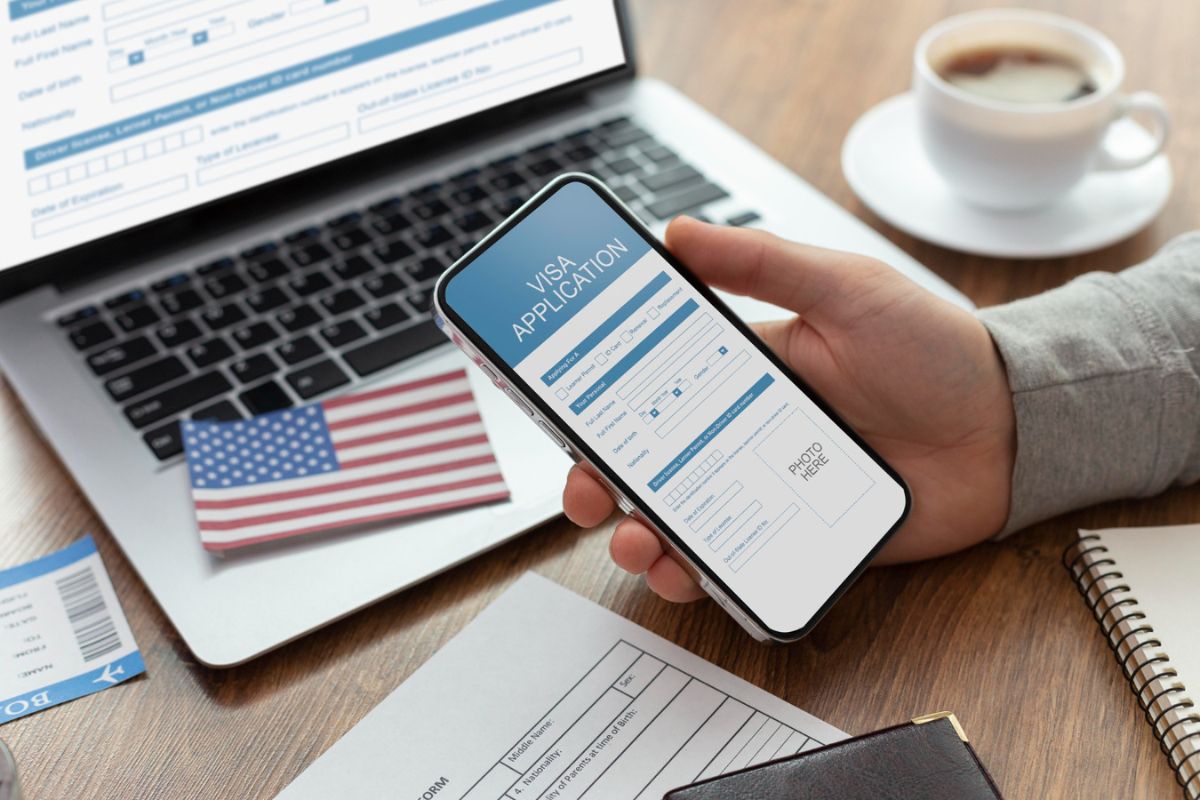
Are you planning to travel, work, or join your loved ones in the United States? If so, you’re about to undergo more scrutiny than ever before. As of March 30, 2026, the US Department of State will start reviewing social media profiles of visa applicants from around the world, further tightening visa screening processes.
**Which Visa Categories Will Be Affected?**
Not all applicants will be subject to this new rule. But if you’re planning to apply for one of the following visa categories, your online presence will come under the microscope:
* A-3: Domestic workers of diplomats or international officials
* C-3: Domestic workers in transit
* H-3 and H-4 (dependents of H-3): Training visa and dependents
* K-1, K-2, K-3: Fiancé and family visas
* Q: Cultural exchange visa
* R-1, R-2: Religious workers and dependents
* S, T, U: Visas linked to witnesses or victims of crime
**What Will Consular Officers Look For?**
Applicants in these categories will need to make their social media profiles public, allowing officials to review their online activity. This means:
* Social media posts and activity
* Online profiles
* Public digital presence
* Other internet activity linked to the applicant
While the guidelines on how content will be judged are still unclear, anything deemed suspicious or inappropriate could lead to additional background checks. In some cases, this may result in longer processing times or even visa refusal.
**What’s New and What’s Not**
This updated rule is not entirely new. In fact, similar measures were already introduced for other visa categories, such as:
* F, M, J visas (students and exchange visitors) in June 2025
* H-1B and H-4 visas in December 2025
**Full List of US Visas Subject to Mandatory Social Media Checks (2026 Update)**
Below is the complete list of visa categories where applicants may be required to keep their social media profiles public for screening as part of the US visa process:
| Visa Category | Visa Type | Purpose |
| — | — | — |
| A-3 | Domestic Worker Visa | Personal employees of diplomats or government officials |
| C-3 | Transit Visa | Domestic workers travelling with foreign officials in transit |
| F | Student Visa | Academic students studying in the US |
| M | Student Visa | Vocational or technical students |
| J | Exchange Visitor Visa | Exchange programs such as internships or research |
| G-5 | Domestic Worker Visa | Employees of international organisation staff |
| H-1B | Work Visa | Skilled foreign professionals |
| H-3 | Training Visa | Trainees in special education or structured training programs |
| H-4 | Dependent Visa | Dependents of H-1B or H-3 visa holders |
| K-1 | Fiancé Visa | Foreign fiancé of a US citizen |
| K-2 | Dependent Visa | Children of K-1 visa applicants |
| K-3 | Spouse Visa | Spouse of a US citizen awaiting immigrant visa approval |
| Q | Cultural Exchange Visa | Cultural exchange program participants |
| R-1 | Religious Worker Visa | Ministers or religious workers |
| R-2 | Dependent Visa | Dependents of R-1 visa holders |
| S | Witness Visa | Witnesses or victims of crime |
With this new rule in effect, it’s essential to review your online presence and adjust your social media settings accordingly.
Leave a Reply