US Visa Social Media Screening Expands for I, TN, and TD Applicants from October 2026
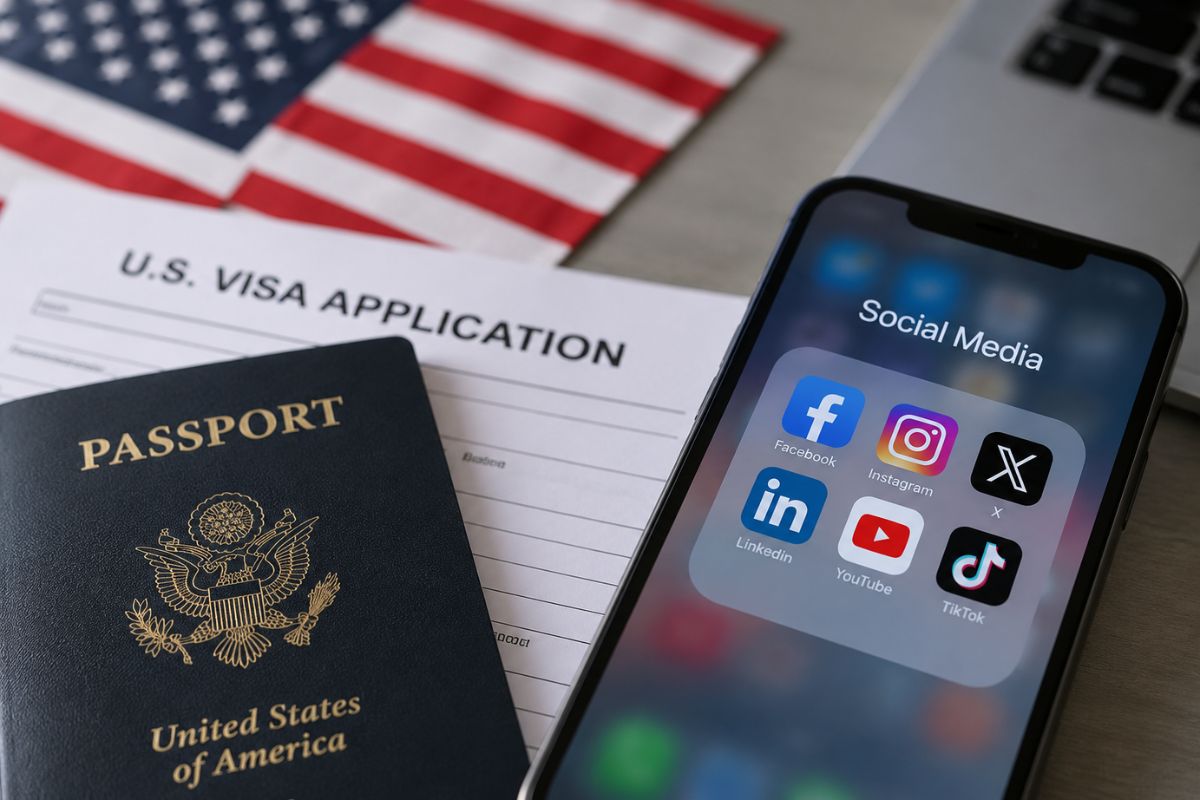
Starting October 1, 2026, the United States will expand its mandatory social media screening requirements to include I, TN, and TD visa applicants. This significant update will require individuals applying for these visa categories to set their social media profiles to ‘public’ or ‘open’ for review.
This new policy specifically impacts I visa applicants, such as foreign journalists and media representatives, as well as TN professionals and their TD dependents, who fall under the USMCA framework. The Department of State has stated that this social media review is an integral part of its broader visa screening and vetting processes.
Which US Visas Already Undergo Social Media Screening?
The requirement for social media screening has been progressively implemented for several visa categories. The current list of visas that already involve some form of social media scrutiny includes:
- A-3, C-3, G-5: Domestic workers and diplomatic/official visa dependents
- F-1, F-2: Academic students and dependents
- M-1, M-2: Vocational students and dependents
- H-1B, H-4: Temporary workers and dependents
- H-3, H-4: Training applicants and dependents
- J-1, J-2: Exchange visitors and dependents
- K-1, K-2, K-3: Fiancé/spouse categories
- Q: International cultural exchange participants
- R-1, R-2: Religious workers and dependents
- S, T, U: Applicants in witness, trafficking, and crime-related categories
- I: Foreign media representatives
- TN, TD: USMCA professionals and their dependents, effective from October 1, 2026
It’s important to distinguish that since 2019, most immigrant and non-immigrant US visa application forms have requested social media identifiers. However, this does not mean every applicant has previously been required to make their accounts public, unlike the new mandate for I, TN, and TD visas.
Are There Exemptions for I, TN, or TD Visa Applicants?
The latest announcement from the State Department does not indicate any general exemptions for applicants within the I, TN, or TD categories. All affected applicants are explicitly instructed to ensure their social media profiles are set to “public” or “open.”
For travelers, particularly from India, this mainly impacts journalists, media professionals, and individuals who may qualify for US work-related visa categories. It’s worth noting that TN visas are primarily designed for Canadian and Mexican professionals, though TD dependents can hold different nationalities.
This expansion highlights a clear trend: US visa screening is increasingly moving beyond application-supplied information to include broader checks of an applicant’s online presence. Consequently, managing social media privacy settings is becoming a crucial step in US visa preparation.
Practical Advice for Affected Visa Applicants
We recommend that all affected applicants treat this as a critical compliance step. Before applying, thoroughly review every social media account to confirm privacy settings and ensure all publicly accessible information is consistent with your visa application details.
Leave a Reply