
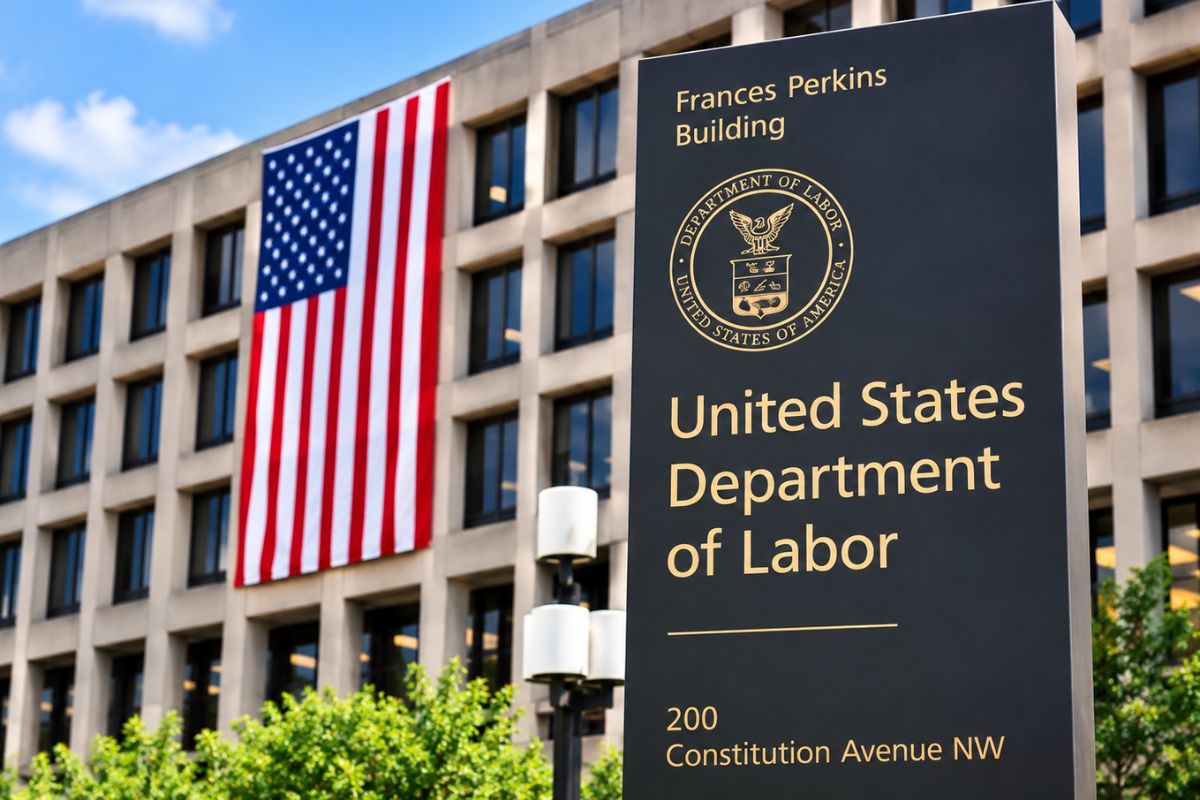
US employers navigating the PERM green card process continue to face significant delays. As of August 31, 2026, the U.S. Department of Labor (DOL) reported the following PERM processing times:
- Analyst Review: Applications filed in November 2025 or earlier.
- Audit Review: Cases filed in December 2025 or earlier.
- Reconsideration Requests: Requests filed in April 2026 or earlier.
Latest PERM Green Card Processing Times and Delays
The U.S. Department of Labor’s latest figures highlight persistent delays in the PERM green card application process:
- Analyst Review: Currently processing applications filed in November 2025.
- Audit Review: Currently processing applications filed in December 2025.
- Reconsideration Requests: Currently processing requests filed in April 2026.
- Average Analyst Processing Time: 336 calendar days.
The DOL reported an average processing time of 336 calendar days for PERM applications undergoing analyst review as of August 2026. No average processing time was reported for audit review cases.
These extensive PERM processing delays make strategic timing crucial for Indian professionals seeking U.S. employment-based permanent residency. A PERM application is no longer a quick administrative step and requires significant foresight.
Prevailing Wage Determinations: Another Bottleneck for US Work Visas
The prevailing wage determination stage also experiences significant queues, affecting both PERM and H-1B visa processes:
- Wage Determinations (OEWS-based and non-OEWS for PERM and H-1B): Currently processing requests filed in May 2026.
- Redetermination Requests (H-1B and PERM): Currently processing requests filed in June 2026.
- H-1B Center Director Reviews: Reached July 2026.
- PERM Center Director Reviews: Reached June 2026.
This broader pattern indicates that U.S. employers face processing queues at multiple points within the immigration system, not solely during the final PERM green card adjudication.
Key US Work Visa and Green Card Dates for 2026
For foreign workers, particularly Indian professionals tracking U.S. employment-based immigration, PERM is just one component of a broader timeline. H-1B registration, prevailing wage requests, and other work visa programs each have their own critical deadlines and processing windows.
H-1B Visa Timelines:
- H-1B FY 2027 Registration: Employers must register eligible H-1B candidates during the annual USCIS-designated registration window.
- H-1B Selection: USCIS selects enough registrations to meet the annual cap shortly after the registration period closes, notifying selected registrants.
- H-1B Cap Petition Filing: Selected employers can file Form I-129 petitions during the specific filing window provided by USCIS.
- H-1B Prevailing Wage: As of August 31, 2026, the DOL was processing H-1B prevailing wage requests filed in May 2026.
PERM Green Card Timelines:
- PERM Prevailing Wage: The DOL was also processing PERM prevailing wage requests filed in May 2026.
- PERM Analyst Review: The DOL was reviewing PERM applications filed in November 2025 or earlier.
- PERM Audit Review: Audit cases were being reviewed for applications filed in December 2025 or earlier.
Other Important Dates:
- H-2B FY 2027 First-Half Filings: The three-day filing window for H-2B applications requesting an October 1, 2026 start date was July 3-5, 2026.
It is important to note that H-1B dates are subject to annual changes. Applicants should always refer to official USCIS announcements for the exact registration and petition filing dates, rather than relying on previous year’s calendars. USCIS mandates that the annual initial registration period must last at least 14 calendar days.
Comparing the DOL figures, both H-1B and PERM prevailing wage requests were at May 2026, while PERM analyst review remains significantly further behind.
H-1B vs. PERM: Understanding the Impact of Processing Delays
It’s crucial to understand the distinct purposes of H-1B visas and PERM applications. The H-1B visa offers a temporary employment pathway, whereas PERM is typically a foundational step in the employment-based green card process for permanent residency in the U.S.
For Indian professionals already working in the U.S., this distinction is highly significant. An H-1B approval or extension does not automatically confer permanent resident status. Conversely, delays in PERM processing directly impact and push back subsequent stages of an employment-based green card application.
The current DOL processing statistics underscore the critical need for employers to plan these immigration processes well in advance of an employee’s visa expiration or status change deadlines. The agency’s report of an average of 336 calendar days to process PERM applications in analyst review as of August 2026 highlights the extensive timelines involved.
Travelobiz Insight: Plan Your Green Card Sponsorship Early
Our analysis underscores a critical recommendation for Indian H-1B workers and their employers: initiate green card sponsorship as early as possible. Given the consistently lengthy processing queues across various stages of the immigration process, delaying the start of your application can lead to significant and avoidable immigration timing pressures.
Leave a Reply